

Updated on July 20, 2026
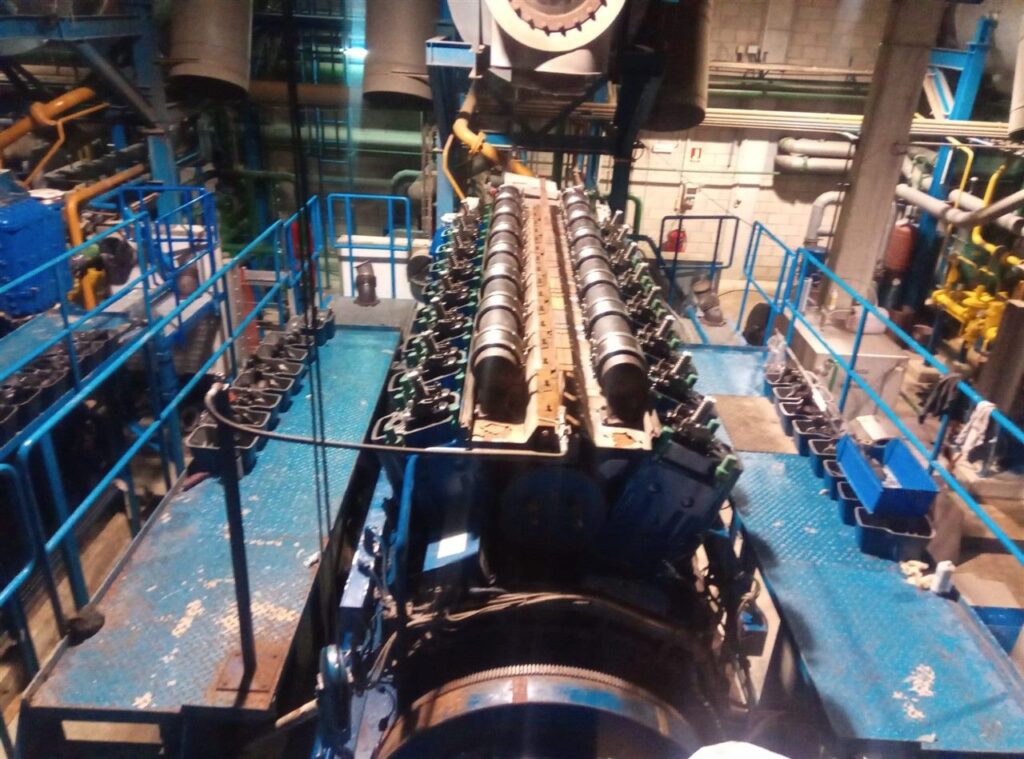
Jenbacher engines are reliable by design. The Series 3, 4 and 6 are present in natural gas and biogas cogeneration plants worldwide, and their track record in continuous cycle operation is well documented. But reliability has a limit: without a timely overhaul, any Jenbacher will eventually pay for the accumulation of operating hours with unplanned stoppages and more expensive repairs.
This guide answers the questions we receive most frequently about Jenbacher engine overhauls: when it is necessary, what it includes, how long the stoppage lasts and what options exist beyond the official INNIO Jenbacher service.
The intervals published by INNIO Jenbacher are indicative and depend on fuel type, operating load and maintenance history. As a general reference for natural gas operation:
Series 3 (J312, J316, J320):
Series 4 (J412, J416, J420): intervals similar to Series 3, with differences in the cylinder-head overhaul threshold depending on engine version and fuel type.
Series 6 (J612, J616, J620, J624):
On biogas, all intervals are reduced by between 20% and 40% depending on gas quality and siloxane and hydrogen sulphide content.
The engine does not always reach the planned interval in good condition. These are the most common symptoms indicating that an overhaul cannot wait:
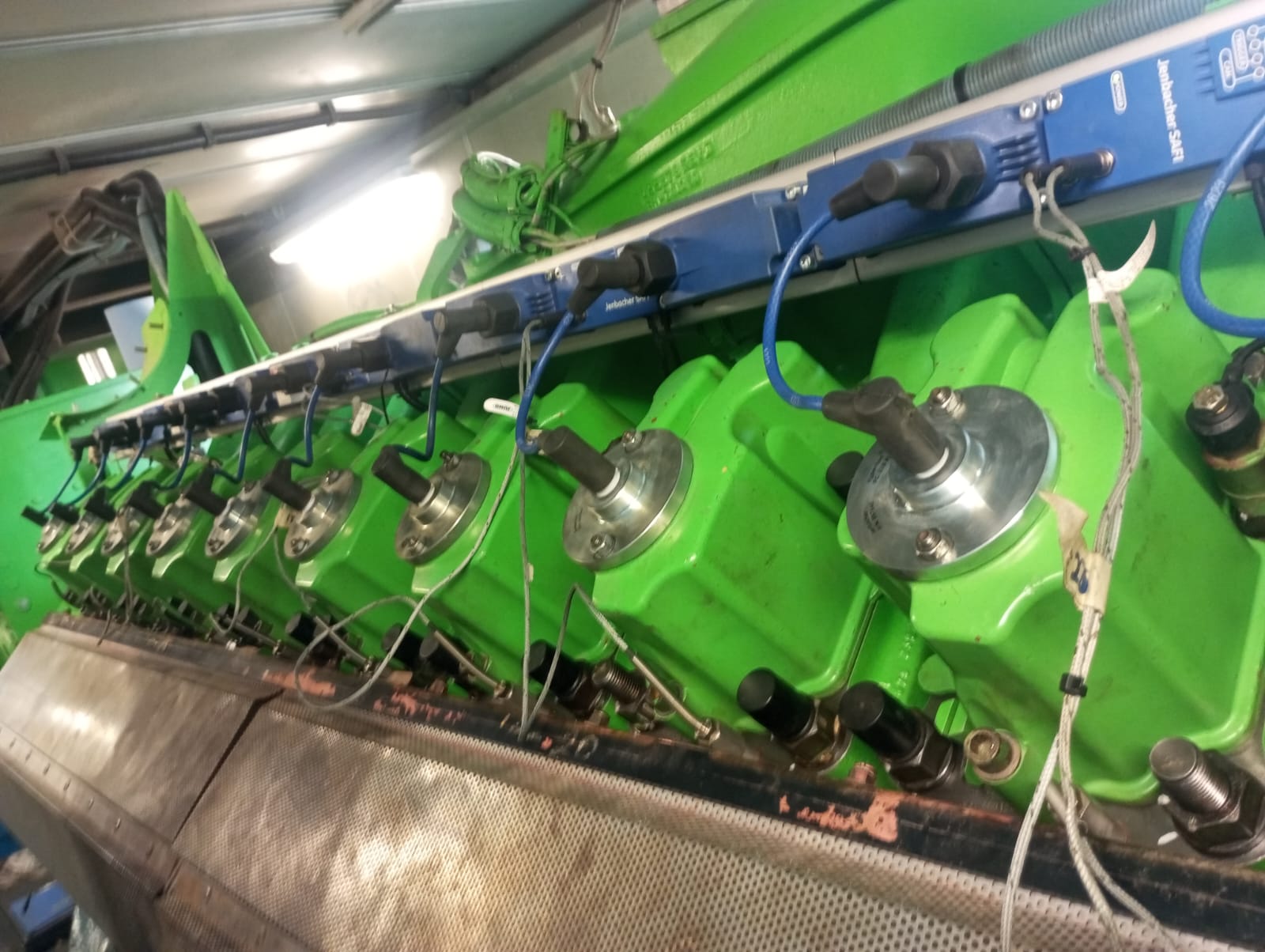
Any of these symptoms requires immediate diagnosis. Ignoring them can turn a cylinder head job into a full block overhaul.
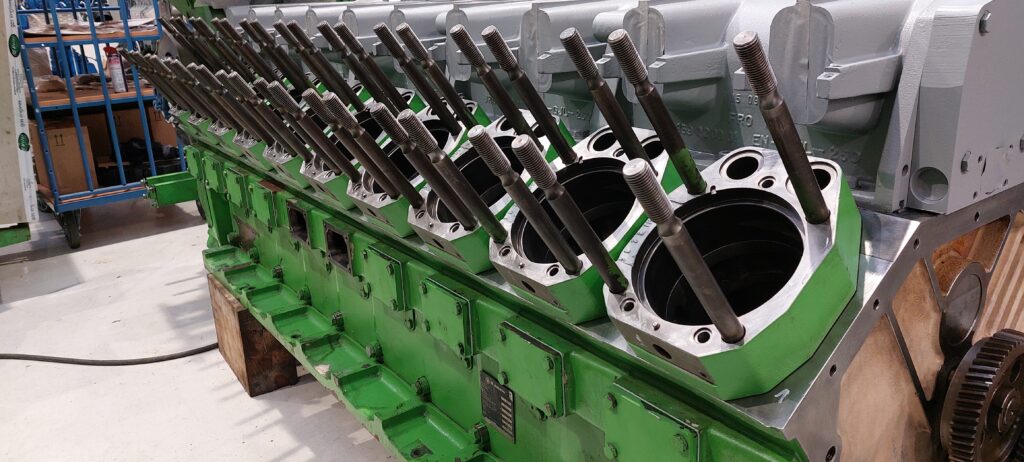
The scope varies depending on whether it is a top overhaul (cylinder heads) or a major overhaul (complete engine). In general terms:
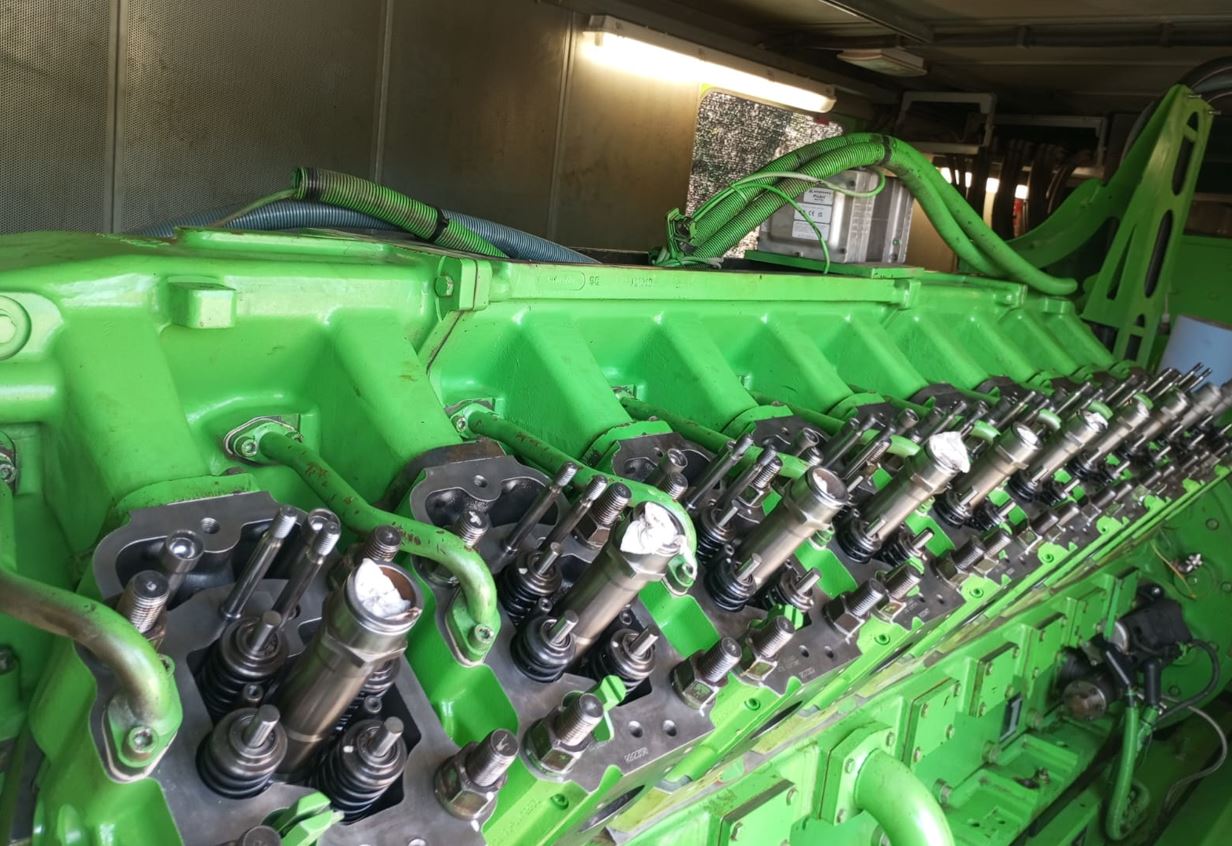
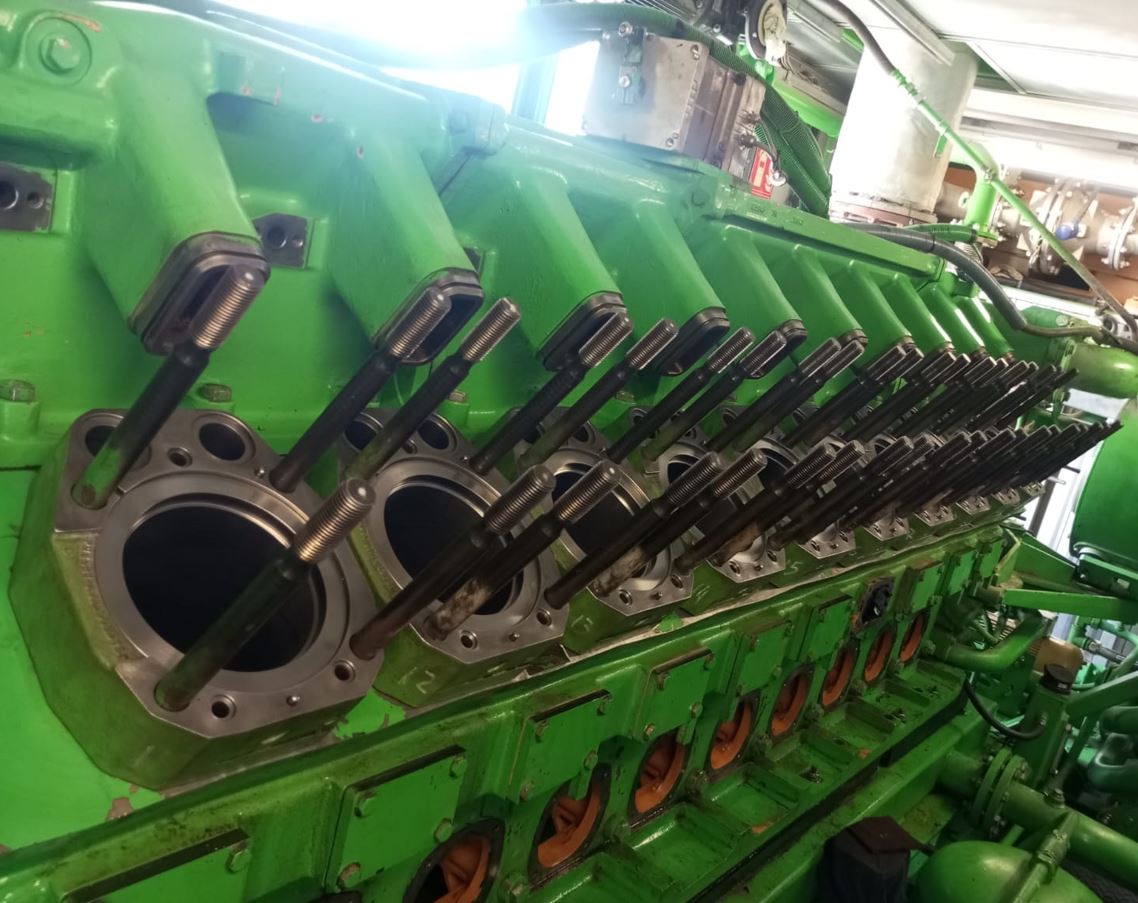
The official INNIO Jenbacher service offers technical backing and manufacturer warranty. It also means longer intervention lead times, higher spare parts prices and, in many regions of the world, limited availability of certified technicians.
At RS Motor we have been working on Jenbacher Series 3, 4 and 6 engines for over two decades. We supply both original and approved equivalent spare parts, carry out complete overhauls at our facilities or on site, and deliver the same quality standards with competitive lead times and pricing.
If your Jenbacher has an upcoming intervention or is already showing symptoms, write to us. We assess the engine condition at no cost.
How often should a Jenbacher engine be overhauled?
It depends on the series, the fuel and the load. As a reference for natural gas: the top (cylinder-head) overhaul is around 8,000-12,000 h on Series 3/4 and 12,000 h on Series 6, and the full major overhaul between 24,000 and 36,000 h. On biogas the intervals shorten by 20% to 40%. These are indicative values: confirm them against INNIO Jenbacher technical documentation.
What is the difference between a top overhaul and a major overhaul?
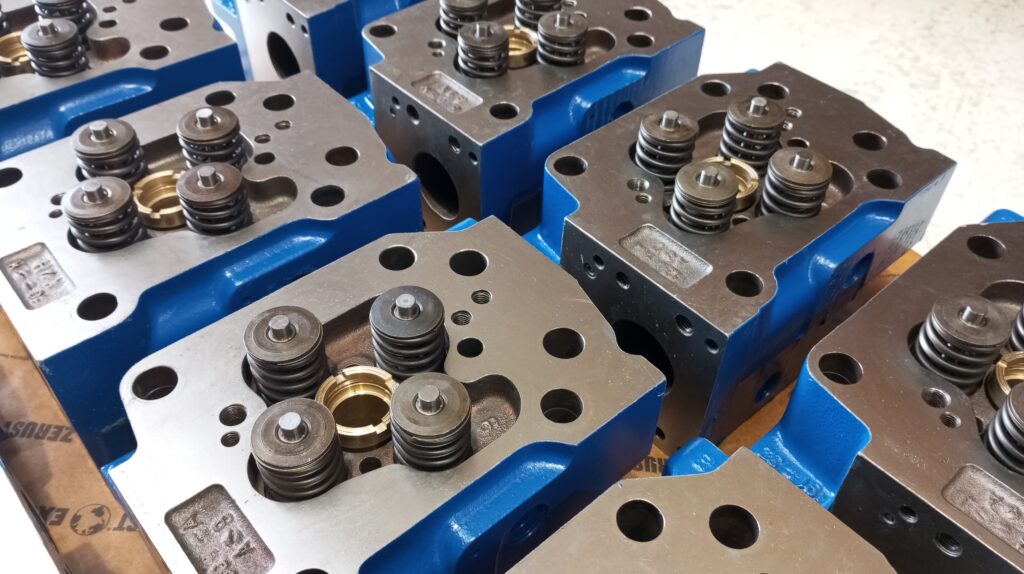
The top overhaul focuses on the cylinder heads and valve train (seats, guides, valves, springs, seals and ignition adjustment). The major overhaul covers everything above plus full block disassembly: liners, pistons, rings, connecting-rod and main bearings, crankshaft and turbocharger.
What signs indicate that a Jenbacher needs an overhaul ahead of schedule?
Increased oil consumption with no apparent cause, power loss not explained by load, abnormal exhaust temperature on a cylinder, compression loss, and knocking or unusual noises in the block. Any of these requires immediate diagnosis.
Can the overhaul be done outside the official INNIO Jenbacher service?
Yes. RS Motor performs complete overhauls of Jenbacher Series 3, 4 and 6 engines in the workshop or on site, with original or approved equivalent spare parts, the same quality standards and competitive lead times and pricing.
Which Jenbacher engine series does RS Motor work with?
Series 3 (J312/J316/J320), 4 (J412/J416/J420) and 6 (J612/J616/J620/J624), on both natural gas and biogas.
Analía Martínez - RS Motor